
A2 Planks vs Platitudes
Here is what was fetched by my AI agent using Claude. Please reply with comments and corrections.
I’ll fetch directly from each candidate’s campaign site.The platform is on a separate page. Let me fetch it directly.Now let me find Taylor’s campaign site.Found Taylor’s site at taylorforannarbor.com. Let me fetch the platform/issues page.Let me fetch the full Issues page from Taylor’s site.Here are the planks straight from each candidate’s own campaign site.
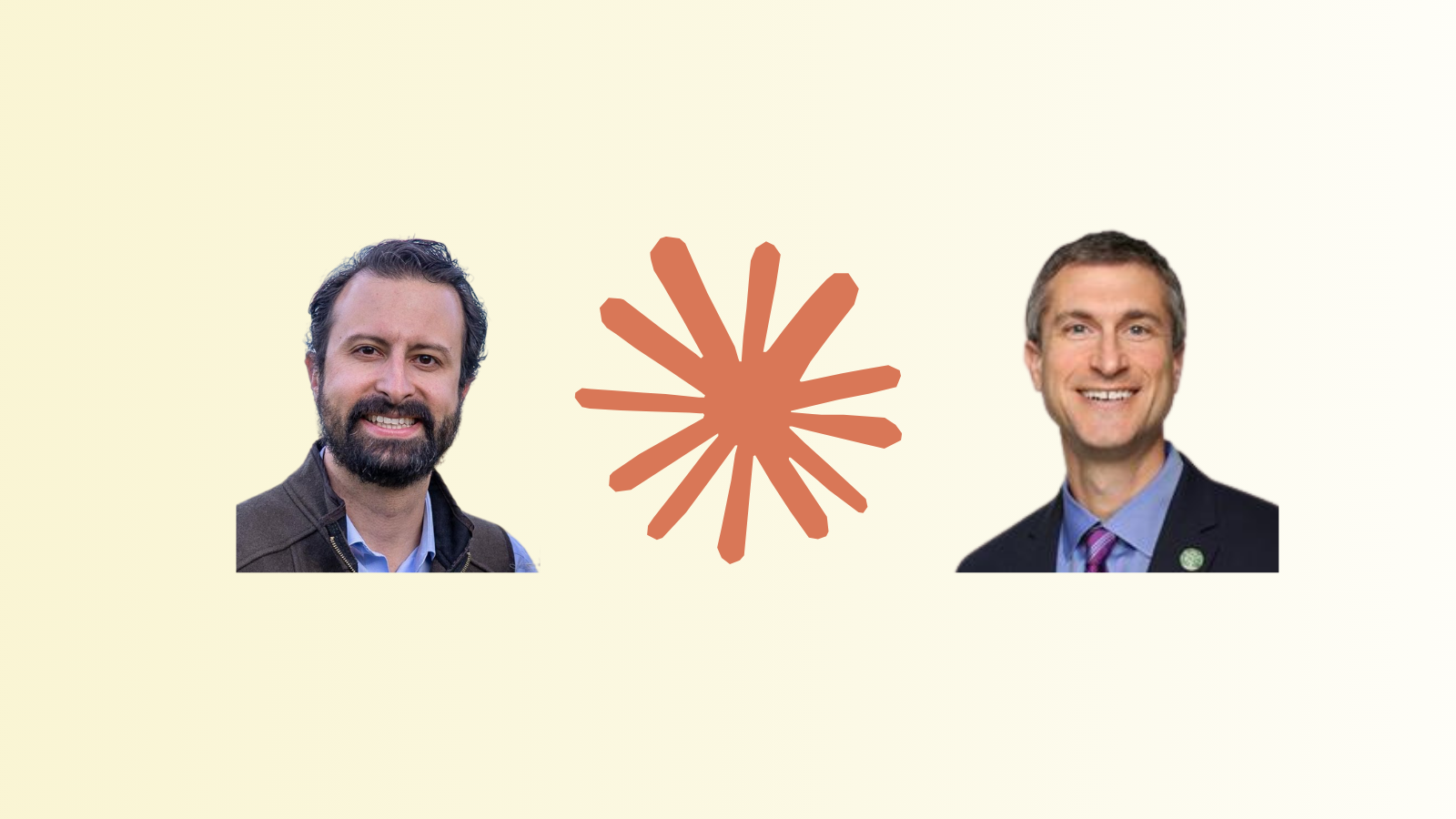
Yousef Rabhi — voteyousef.com
Rabhi’s platform page (“Power to the People”) is organized around four themes. Note that his site states the proposals at a thematic level rather than as itemized, costed projects:
Affordability / Housing — Fight for “historic investments” to expand publicly owned, permanently affordable housing, on the premise that housing is a human right.
City services & infrastructure — Invest in city services, take “bold steps” to fix infrastructure, and expand public solutions, with city government oriented toward lowering costs and making life easier for residents.
Protecting public resources / public power — Oppose the sale of all public land and parks, oppose the privatization of city services, and hold utilities like DTE accountable by supporting a municipally owned power solution.
Federal overreach / immigration — Build on his ICE-free zone policy and No Kings rallies, favoring “bold action” over half-measures to protect residents from the Trump administration.
The more concrete, itemized specifics (cutting consultants, reinvesting the $500K snow-plowing money, reversing downtown garbage privatization, co-ops, capping developer tax breaks) come from his press interviews rather than his own site — his platform page itself stays high-level.
Christopher Taylor — taylorforannarbor.com
Taylor’s “Issues” page is more granular, split into “Basic Services” and “Quality of Life”:
Budget — Maintain budget discipline and the AA+ bond rating, and keep the structural deficit fixed; notes only ~25% of property taxes go to the City.
Clean water — Build Water Treatment Plant improvements, expand the PFAS fight, maintain the lawsuit against the Gelman polluter, and press the EPA to accelerate 1,4-dioxane monitoring and cleanup.
Walking & biking — Continue building sidewalks, bike lanes, and streetlights, designing roads and crosswalks to be safe for all users and enable non-motorized commuting.
Roads — Accelerate road spending beyond the current $30M+/yr from local street millages, with a focus on deteriorating neighborhood streets.
Public safety — Keep AAPD strong while developing the unarmed response system, and implement the Fire Station Master Plan to improve response times and firefighter wellness.
Stormwater/sewer — Maintain 100% NPDES compliance and the flood-insurance rating, and add stormwater programs in hard-hit areas as climate change increases precipitation.
Equity / jobs — Support immigrants and refugees, reintegrate returning citizens, support the LGBTQIA+ community, and back union/organized-labor efforts to create good-paying jobs.
Affordable housing — Use City money and land to increase housing supply; expects the City to approve hundreds of new affordable units downtown over the next four years.
Climate (A2Zero) — Pursue community-wide carbon neutrality by 2030 via year-round composting, expanded recycling, community and rooftop solar, rental/low-income energy programs, EV infrastructure, and thousands of new trees.
The clearest contrast in their own words: on energy, Taylor’s site doesn’t mention the municipal-power fight directly (his A2Zero approach works within the existing grid), whereas Rabhi’s site explicitly calls for a municipally owned power solution to replace reliance on DTE — and on land, Rabhi makes opposing the sale of all public land and parks a headline plank, which Taylor’s “use of City money and land to create affordable housing” implicitly cuts against.
Housing supply & price both increasing since 2006